
Pain that starts around the navel and shifts to the lower right abdomen needs medical assessment, especially when it worsens with fever, vomiting or marked tenderness. You will learn how doctors confirm appendicitis, when antibiotics are reasonable, what laparoscopic appendectomy involves, and which questions to ask before consenting to treatment.
Key takeaways
- Seek urgent assessment for worsening lower-right pain, fever, vomiting, or poor appetite.
- Appendicitis with rupture, abscess, or worsening symptoms often requires surgery.
- Laparoscopic appendectomy uses small incisions and usually supports faster recovery than open surgery.
- Ask about diagnosis, surgical approach, risks, hospital stay, and follow-up before choosing a surgeon.
When Right-Sided Abdominal Pain Needs Urgent Assessment
1. If you are searching for appendix treatment kothrud, treat these symptoms as a reason for prompt assessment, not a diagnosis: pain that starts near the navel and moves to the lower right abdomen, worsening tenderness, fever, vomiting or loss of appetite.
Abdominal rigidity, increasing pain, or inability to pass stool or gas requires urgent care.
2. Symptoms alone cannot confirm appendicitis. Gastroenteritis, urinary infection, kidney stone, ovarian conditions, ectopic pregnancy and other bowel problems can cause similar right-sided pain. Assessment includes your symptom history, an abdominal examination, complete blood count, C-reactive protein, urine testing and a pregnancy test when relevant.
3. Imaging depends on age, pregnancy status, radiation concerns and local expertise. CT is commonly used when appendicitis remains uncertain in adults. Ultrasound is useful in children and pregnancy; when a pregnancy ultrasound is inconclusive, MRI may follow when available.
Do not delay assessment because pain is mild at first: appendicitis can worsen quickly, and examination or imaging may reveal another urgent condition.
When Surgery Is Safer Than Antibiotics or Observation
Perforation, diffuse peritonitis, sepsis, an appendicolith or an obstructing tumour makes laparoscopic appendectomy the safer option in many patients. An abscess may require antibiotics with or without image-guided drainage, followed by an individualized decision about surgery.
| Option | What it means | When it applies |
|---|---|---|
| Laparoscopic appendectomy | Removal of the appendix under general anaesthesia | Complicated disease, or uncomplicated disease when definitive treatment is preferred |
| Antibiotics | Treating infection without immediate removal | Selected uncomplicated cases after imaging excludes perforation, abscess and appendicolith |
| Observation | Repeated examination and tests without immediate antibiotics or surgery | Diagnostic uncertainty or carefully selected stable patients; deterioration changes the plan |
Antibiotics are not risk-free. Discuss treatment failure and recurrence clearly: evidence cited in guidelines reports approximately 27% recurrence at one year and up to 39% at five years, not a personal prediction.
A normal-looking appendix does not end the assessment. The surgeon may inspect the abdomen for another cause of pain and send the appendix for histopathological examination. Adults aged 40 or over treated non-operatively for complicated appendicitis may need colon evaluation and interval imaging to assess for an underlying tumour.
Ask these questions before consenting:
- Is the appendicitis uncomplicated or complicated?
- What imaging supports the diagnosis?
- What would change the plan?
A search for appendix surgery Sinhagad Road does not determine which treatment is safest; examination findings, imaging and your other illnesses do.
What Happens Before and During Laparoscopic Appendectomy
1. On admission, the team confirms your symptoms, examination and imaging, then asks you to stop solid food as instructed—often six hours before anaesthesia—and stop clear fluids at the time specified by the hospital. Sign consent after discussing benefits, risks and possible conversion to open surgery.
Report every allergy and provide a complete medication list, including blood thinners and diabetes medicines.
2. Blood tests check the blood count, inflammation and organ function. A cannula is placed for intravenous fluids and medicines. Antibiotics are given through the vein before the skin incision; suspected rupture usually requires broader antibiotics and continued treatment.
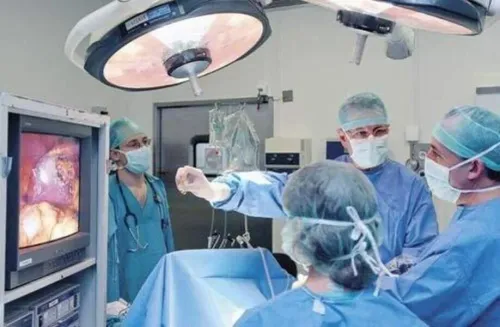
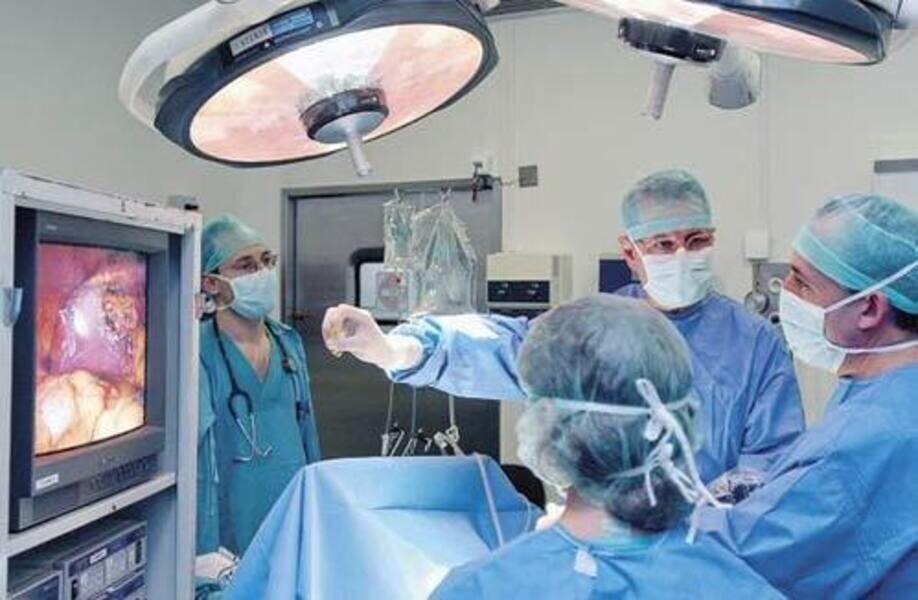
3. The operation uses general anaesthesia, so you are fully asleep. A laparoscopic surgeon Warje patients consult creates working space with carbon dioxide, then inserts a camera and instruments through several small abdominal incisions.
4. The surgeon identifies the appendix, seals and removes it, and examines the abdomen for pus, perforation or another source of pain. The appendix may be sent for histopathology. The instruments are removed, the gas released and the small wounds closed with sutures, clips or skin adhesive.
5. A ruptured appendix can require abdominal washout, a drain, a longer operation or conversion to open surgery. Admission is usually longer. After uncomplicated surgery, discharge requires drinking, passing urine, walking, controlling pain with oral medicines and showing no concerning complication; perforation, abscess, sepsis, uncontrolled vomiting or significant medical illness require longer observation.
Laparoscopic Versus Open Surgery: Recovery and Real Risks
Laparoscopy usually means smaller abdominal wounds, less postoperative pain, fewer wound infections and a shorter hospital stay, but it does not guarantee scarless surgery or rapid recovery. Open appendectomy uses a larger incision, often in the lower right abdomen.
| Approach | Typical recovery pattern | Important limitation |
|---|---|---|
| Laparoscopic appendectomy | Smaller wounds, less pain, fewer wound infections and shorter admission | The operation can take longer and carries a risk of intra-abdominal abscess |
| Open appendectomy | Larger incision and often more wound discomfort | May be safer when infection or anatomy makes keyhole access unsafe |
A laparoscopic surgeon in Pune may convert to open surgery when severe inflammation, bleeding, dense adhesions or unclear anatomy makes keyhole access unsafe. The decision protects you; conversion is not a failed operation. Possible complications include bleeding, wound infection, intra-abdominal abscess, bowel injury, anaesthesia complications, blood clots, stump leakage and conversion to open surgery.
Perforation, delayed treatment, diffuse infection or an abscess increase complication risk and often prolong admission. Seek urgent advice after discharge if you develop:
- Increasing pain, persistent fever or repeated vomiting
- Abdominal distension or inability to eat or drink
- Wound redness or pus
- Shortness of breath or faintness
These signs can indicate infection, bleeding, bowel inactivity or another complication. Uncomplicated patients may leave after they drink, pass urine, walk and control pain with oral medicines; perforation, sepsis, abscess or uncontrolled vomiting usually require longer observation.
How to Choose the Right Local Surgical Consultation
A locality label does not prove emergency access or hospital capability. Whether you search for an appendix treatment laparoscopic surgeon for Kothrud in Pune, appendix treatment Kothrud, laparoscopic surgeon Warje, appendix surgery Sinhagad Road or a laparoscopy surgeon in Pune, verify the operating setting before you consent.
| Claim or facility | What it tells you | What it does not prove |
|---|---|---|
| Locality label | Where the consultation is marketed | That surgery occurs nearby or emergency care is available |
| Named hospital | Where the operation will take place | That the hospital has every required service |
| “Laparoscopic” | The intended surgical approach | That keyhole surgery will remain safe if anatomy is unclear |
Ask these questions directly:
- Which hospital will perform the operation, and is an anaesthetist available?
- Does it provide 24-hour emergency service, CT, ultrasound, ICU care, pathology and interventional radiology for drainage?
- Is the appendicitis uncomplicated or complicated, and what imaging supports that assessment?
- How long is admission expected? What is the plan if inflammation, bleeding or unclear anatomy requires conversion to open surgery?
- Is antibiotic-only treatment reasonable, and what would change that plan?
- Who handles follow-up, and which symptoms require emergency review?
Use an appointment with Dr Nitin Pawar-Best Laparoscopic, Hernia, Laser Piles Surgeon in Pune to clarify diagnosis, treatment setting, surgeon availability and complication planning—not to rely on “laparoscopic” alone. Your imaging, perforation or abscess status, general health and other illnesses determine the safest plan.
Frequently asked questions
When does right-sided abdominal pain need urgent assessment?
Seek prompt medical assessment when pain starts near the navel and moves to the lower right abdomen, especially with worsening tenderness, fever, vomiting, or loss of appetite. These symptoms do not confirm appendicitis, so examination and testing are necessary.
When is surgery safer than antibiotics or observation for appendicitis?
Surgery is often the safer option when the appendix has perforated, an abscess or widespread abdominal infection is present, symptoms are worsening, or observation has not controlled the condition. A surgeon decides after examining you and reviewing tests.
What happens before and during laparoscopic appendectomy?
Before surgery, the team reviews your symptoms, examination findings, blood tests, imaging, medicines, allergies, and anaesthetic risks. During laparoscopic appendectomy, the surgeon uses small abdominal incisions, a camera, and instruments to remove the appendix under general anaesthesia.
How does laparoscopic surgery compare with open appendectomy?
Laparoscopic surgery uses several small incisions, while open surgery uses one larger incision. Laparoscopy often means less wound discomfort and an earlier return to activity, but open surgery can be appropriate when infection is extensive or laparoscopic access is unsafe.
How should you choose a local appendix surgeon in Pune?
Choose a surgeon who explains whether you need urgent surgery, antibiotics, or observation; discusses laparoscopic and open approaches; gives clear information about risks and recovery; and provides a plan for follow-up. Patients in Kothrud, Warje, and Sinhagad Road can seek a local surgical consultation based on access and emergency support.