
Sudden pain near the lower right abdomen can represent appendicitis, an abscess, perforation or another condition that needs urgent assessment. By comparing diagnosis, treatment options, surgical judgement, recovery planning and surgeon credentials, you can make a safer choice instead of relying on the label “advanced” alone.
Key takeaways
- Seek same-day assessment for worsening lower-right abdominal pain.
- Ask how imaging and examination classify your appendix problem.
- Confirm the surgeon’s plan for perforation, abscess or unexpected findings.
- Discuss recovery, warning signs and follow-up before signing consent.
Recognise appendicitis before delay turns it into an emergency
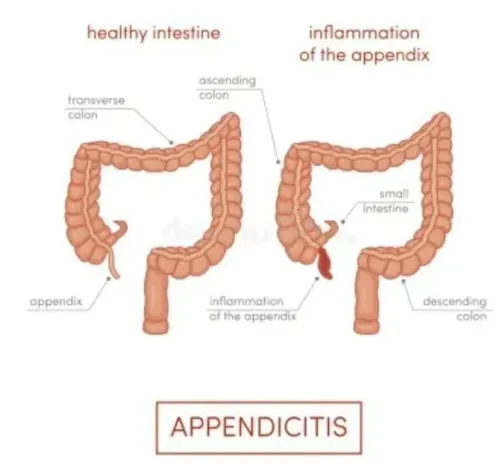
Pain that begins near the navel and shifts to the lower right abdomen needs same-day medical assessment, especially when it worsens with walking, coughing or movement. Fever, nausea, vomiting, loss of appetite, abdominal tenderness or a rigid abdomen strengthen the concern for appendicitis.
Do not wait for every symptom to appear. Children, older adults and pregnant patients can have less typical pain, while severe weakness, confusion, fainting, rapid breathing or a swollen abdomen require emergency care.
If you are searching for appendix treatment Shivajinagar, choose a facility that can examine you and arrange urgent imaging or surgery when needed.
| Situation | What may be happening | Why delay matters |
|---|---|---|
| Early appendicitis | The appendix is inflamed but has not ruptured | Treatment is usually simpler, with fewer complications |
| Perforated appendix | A hole allows infected material to escape | Infection can spread through the abdomen and require longer antibiotics or surgery |
| Abscess or inflammatory mass | Pus or inflamed bowel surrounds the appendix | Drainage, antibiotics or a carefully planned operation may be needed |
| Diffuse peritonitis | Infection has spread across the abdominal lining | Sepsis, intensive care and a longer hospital recovery become possible |
Pain that suddenly improves is not proof of recovery; it can follow rupture. Avoid laxatives and do not eat before assessment if surgery seems possible. Seek urgent care rather than arranging routine appendix treatment after symptoms have persisted.
How doctors confirm the diagnosis and classify the appendix problem
Examination starts the classification. Right-lower abdominal tenderness, guarding, rebound pain, fever, fast pulse and worsening pain support appendicitis; rigid tenderness or diffuse pain raises concern for perforation and peritonitis. A raised white-cell count with neutrophilia and C-reactive protein supports inflammation, but blood results alone cannot prove an abscess or perforation.
Urine testing helps exclude a urinary infection or kidney stone; mild blood or white cells can still occur with an inflamed appendix.
Ultrasound can show a non-compressible appendix, usually over 6 mm wide, an appendicolith, surrounding fluid or inflamed fat. Gas, obesity and an unusual appendix position can limit the scan. Contrast CT gives a clearer map when ultrasound is inconclusive or complicated disease is suspected.
| Category | Typical examination and imaging clues | What the finding changes |
|---|---|---|
| Uncomplicated appendicitis | Inflamed appendix with wall thickening and surrounding fat stranding, without a collection or escaped air | Supports appendectomy or antibiotics for carefully selected patients |
| Perforation | Extraluminal air, wall defect, free fluid, severe guarding or diffuse peritonitis | Requires urgent source control and a stronger infection plan |
| Abscess | Walled-off fluid collection beside the appendix, often with fever that persists | May require antibiotics, image-guided drainage or experienced early surgery |
| Appendix mass | Inflammatory phlegmon involving the appendix, caecum or nearby bowel, without a drainable cavity | Often favours specialist planning rather than automatic immediate surgery |
For appendix treatment in Shivajinagar, ask the appendix surgeon in Shivajinagar to explain the actual scan category, not just say “appendicitis.”
Why treatment depends on more than choosing keyhole surgery
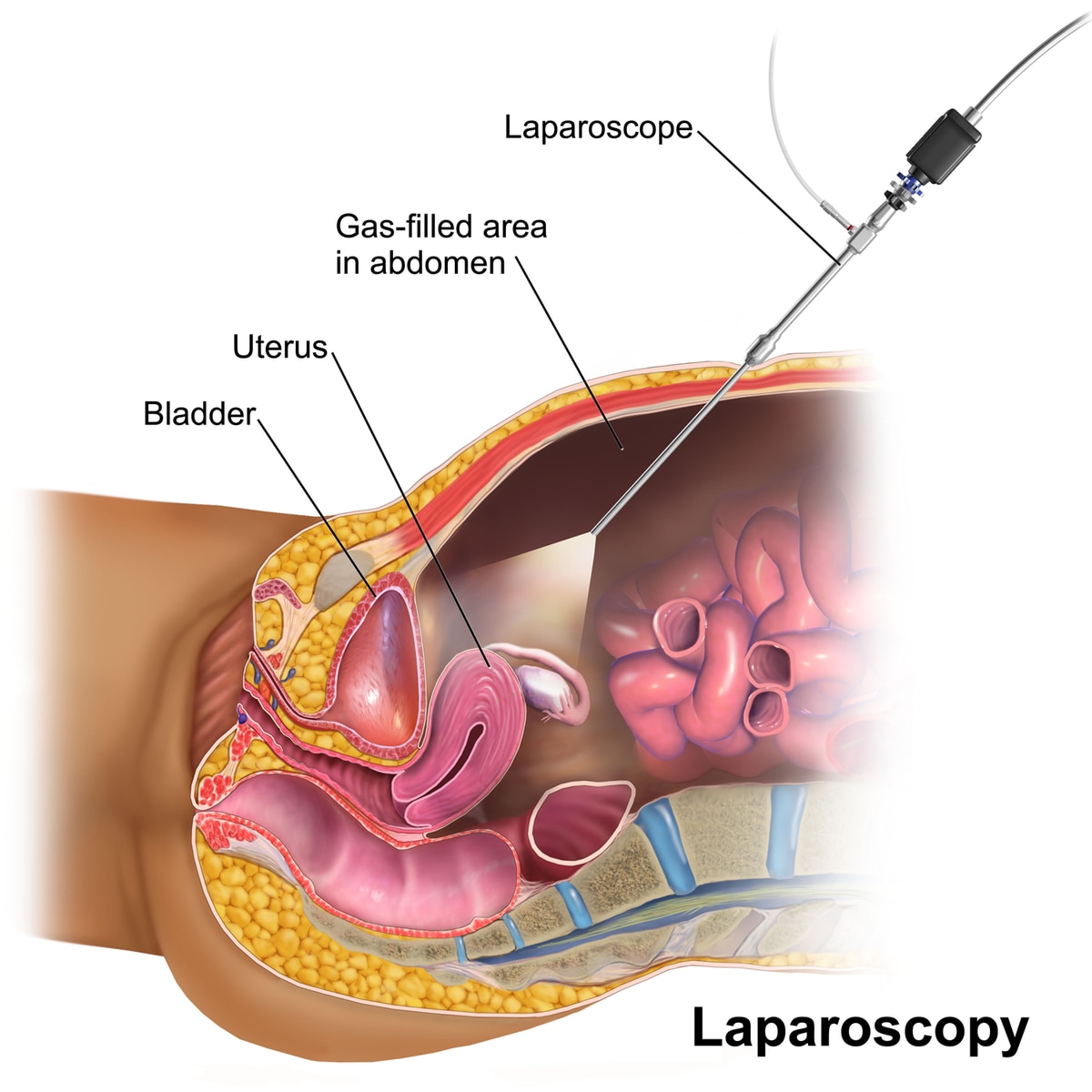
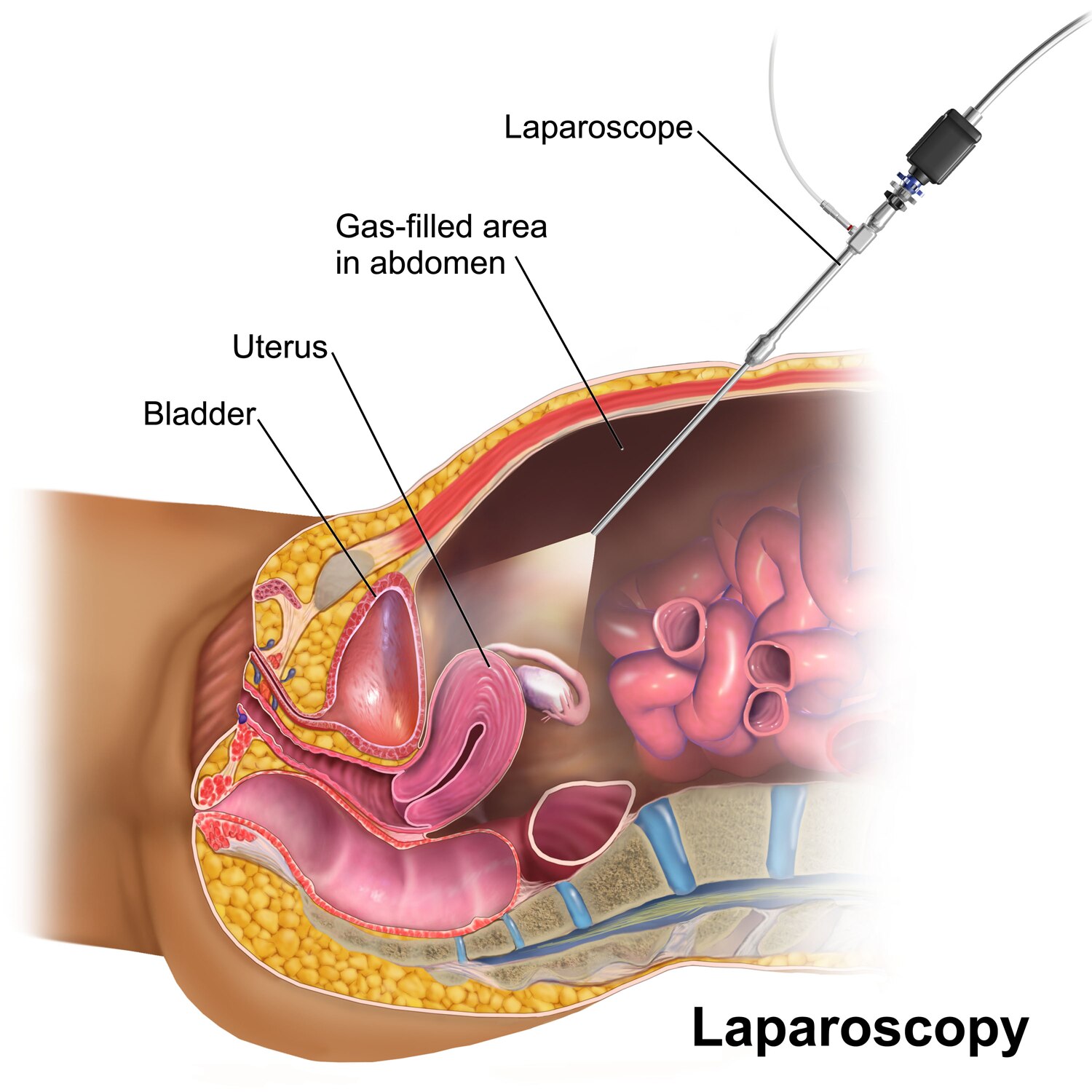
Small incisions are not automatically the safest choice. Laparoscopic appendectomy suits many patients with imaging-confirmed uncomplicated appendicitis, and it can also treat perforation when the surgeon can control contamination safely. The decision depends on the appendix, the patient and the team’s ability to manage complications.
| Option | When it may fit | Main limitation |
|---|---|---|
| Laparoscopic appendectomy | Uncomplicated disease, or perforation suitable for laparoscopic source control | Dense adhesions, uncontrolled bleeding or unclear anatomy may require conversion to open surgery |
| Open appendectomy | Severe inflammation, diffuse peritonitis, difficult anatomy, bowel injury or bleeding | Larger incision and usually slower abdominal-wall recovery |
| Image-guided drainage plus antibiotics | A well-defined appendicular abscess that can be reached safely | Does not immediately remove the appendix; persistent or recurrent symptoms need reassessment |
| Antibiotics alone | Selected adults with uncomplicated appendicitis and no appendicolith, after informed discussion | Recurrence and later surgery remain possible; it is not risk-free |
An appendicolith, perforation, abscess, ongoing symptoms or weakened immunity shifts the balance toward source control. Pregnancy requires an individual surgical plan rather than automatic avoidance of surgery. Discuss antibiotic treatment only if you can obtain urgent reassessment, accept possible recurrence and understand that an appendicolith raises failure and complication risks.
For appendix treatment shivajinagar, judge “advanced laparoscopic surgery in Pune” by verified surgical qualification, laparoscopic training, emergency hospital cover and experience with both straightforward and perforated cases—not by the label alone.
What an experienced laparoscopic surgeon adds during a difficult operation
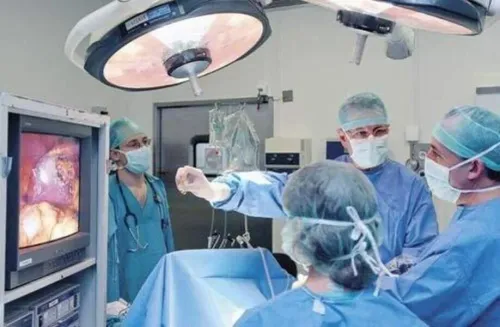
The safest operation is not the one that stays laparoscopic at any cost. It is the one in which the surgeon recognises when visibility or tissue safety has deteriorated, changes the plan early and converts to an open operation when necessary. Conversion is a safety decision, not a failure.
An advanced laparoscopic surgeon for appendix treatment in Shivajinagar should be able to:
- Divide adhesions carefully instead of pulling blindly, which can tear an inflamed bowel.
- Identify the caecum, appendix base and nearby ureter before cutting when perforation has distorted normal anatomy.
- Control bleeding from the mesoappendix while preserving surrounding bowel and securing the appendix stump.
- Remove pus or infected tissue and assess whether perforation requires drainage, longer antibiotics or closer monitoring.
- Inspect the terminal ileum, caecum and pelvis when the appendix looks normal, because ileitis, Meckel’s diverticulum, ovarian disease or caecal pathology can cause similar pain.
The phrase laparoscopic surgeon Shivajinagar identifies a search, not a qualification. Before consent, verify the surgeon’s recognised surgical qualification, laparoscopic training, hospital operating privileges, emergency cover and experience with both uncomplicated and perforated appendicitis.
When assessing Dr Nitin Pawar-Best Laparoscopic, Hernia, Laser Piles Surgeon in Pune, ask how unexpected bleeding, bowel injury, dense adhesions and conversion are managed at the hospital. A surgeon’s judgement matters most when the original plan no longer matches what the operation reveals.
Related services
Advanced Laparoscopic Surgeon Advanced Laparoscopic Surgeon in ShivajiNagar,Deccan,Erandwane,Pune Dr.Nitin Pawar is A Reliable and one of the Best Advanced Laparoscopic Surgeon in ShivajiNagar,Deccan,Erandwane, FC Road and Pune. |
 | Advanced Laparoscopic Surgeon in Pune Advanced Laparoscopic Surgeon in Pune Dr.Nitin Pawar is the Best Advanced Laparoscopic Surgeon in Pune, Best Laparoscopy Surgeon in Pune, Laparoscopy Surgery Specialist in Pune. View service → |
Compare the operation, recovery plan and questions to ask before consent
Laparoscopic and open appendectomy both remove the appendix, but they differ in access, recovery and rescue options. Compare the plan rather than assuming “keyhole” means risk-free.
| Operation | Recovery and practical trade-off |
|---|---|
| Laparoscopic appendectomy | Three small incisions, less wound discomfort and earlier movement for many patients; conversion to open surgery remains possible. |
| Open appendectomy | One larger right-lower-abdominal incision; useful when infection, anatomy or bleeding makes keyhole surgery unsafe, with slower wound recovery. |
| Either approach | Risks include bleeding, infection, bowel or urinary-tract injury, stump leak, abscess, clots and anaesthetic complications. |
Ask these questions before signing consent:
- Which operation do you recommend for my scan findings, and what would make you convert to open surgery?
- How many laparoscopic appendectomies do you perform, including perforated or abscess cases?
- What recognized surgical qualification, laparoscopic training and hospital operating privileges do you hold?
- Who provides emergency cover overnight, and where will I go if pain, fever, vomiting, wound redness or breathlessness develops?
- How long might I stay, when can I drive, work, lift weight and eat normally, and how long will antibiotics continue?
- When is follow-up scheduled, and who reviews the pathology report?
- If I am 40 or older and treated without surgery for complicated appendicitis, will you arrange contrast CT or colonoscopy when appropriate?
Choose a laparoscopic surgeon Shivajinagar patients can reach urgently, not a label alone. An appendix surgeon Shivajinagar patients trust should explain alternatives clearly and coordinate colorectal or oncology review when needed. Ask how advanced laparoscopic surgery in Pune would change your specific plan.
Frequently asked questions
When should you seek medical help for suspected appendicitis?
Seek same-day medical assessment when pain starts near the navel and moves to the lower right abdomen, especially if it worsens with walking, coughing or movement. Fever, nausea, vomiting, appetite loss, marked tenderness or a rigid abdomen require urgent attention.
How do doctors confirm appendicitis?
Doctors combine your symptom history with an abdominal examination, blood tests and imaging when needed. Ultrasound or a CT scan can help identify an inflamed appendix and complications such as perforation or an abscess.
Does every appendix problem receive the same laparoscopic operation?
No. Treatment depends on whether the appendix is inflamed, perforated or associated with an abscess, along with your overall health and scan findings. The surgeon may need to adjust the approach and treatment plan.
What should you ask before consenting to laparoscopic appendix surgery?
Ask which operation is planned, why it suits your findings, what happens if the appendix has perforated, how recovery will be managed, which warning signs require help and when follow-up will occur.
Related items
 | LAPAROSCOPIC SURGEON IN SHIVAJI NAGAR,DECCAN,PUNE Dr Nitin Pawar is the Reliable and one of the Best Laparoscopic Surgeon/Hernia Surgeon in Shivaji Nagar,Deccan,FC Road,Erandwane and entire Pune. |
Laparoscopy Surgeon Laparoscopy Surgeon in ShivajiNagar,Deccan,Erandwane,Pune Dr Nitin Pawar is a Reliable and one of the Best Laparoscopic Surgeon in PUNE,Laparoscopic Specialist in PUNE,Laparoscopic Surgery Doctor in PUNE. |
Advanced Laparoscopic Surgeon Advanced Laparoscopic Surgeon in Kothrud,Warje,Sinhgad Road,Pune Dr.Nitin Pawar is A Reliable and one of the Best Advanced Laparoscopic Surgeon in Pune. |
 | Laparoscopic Surgeon in Pune Dr Nitin Pawar is the Best Laparoscopic Surgeon in Pune, Laparoscopic Specialist in Pune, Laparoscopic Surgery Doctor in Pune. View service → |