

Pain near the anus and pain in the lower right abdomen point to very different problems, but symptoms can overlap with constipation, piles, urinary stones and gynaecological conditions. By separating the warning signs, specialist roles, diagnostic steps and hospital capabilities, you can choose the right first point of care without delaying an emergency assessment.
Key takeaways
- Sudden worsening right-sided abdominal pain needs urgent medical assessment.
- Rectal bleeding, piles and anal pain point toward a proctologist.
- Appendicitis diagnosis combines examination, blood tests and imaging.
- Compare laparoscopic, conservative and anorectal treatment options before deciding.
Which symptoms need an appendix surgeon, and which need a proctologist?
Pain that starts around the navel, shifts to the lower right abdomen and worsens points toward possible appendicitis, especially with fever, nausea, vomiting or loss of appetite. Symptoms alone cannot confirm it; constipation, gastroenteritis, urinary stones and gynaecological conditions can look similar.
| Pattern | Anatomy more likely | Appropriate next step |
|---|---|---|
| Abdominal pain that migrates and worsens | Appendix or another abdominal organ | General surgical or emergency assessment |
| Rectal bleeding, anal pain, lump, itching, mucus or painful bowel movements | Anus or rectum | Proctologist or colorectal assessment |
| Abdominal pain with rectal bleeding or pain that changes location | Not safely classified from symptoms | Urgent hospital assessment |
Severe or worsening pain, repeated vomiting, fainting, confusion, a rigid abdomen, fever or inability to keep fluids down requires urgent hospital care, not a routine appointment. A perforated appendix can cause an abscess or peritonitis.
Anorectal symptoms fit conditions such as fissure, haemorrhoids, fistula or abscess more closely, but rectal bleeding is not automatically piles. Inflammatory bowel disease, polyps and colorectal cancer also require consideration, particularly when bleeding persists, recurs or has no clear explanation.
For patients in Kothrud Warje, choosing a proctologist or appendix surgeon depends on the suspected anatomy and urgency, not the symptom label alone. An appendix surgeon is usually a general surgeon; a proctologist evaluates anorectal disease. Mixed or rapidly changing symptoms belong in urgent general surgical or emergency assessment.
What does an appendix surgeon actually do?
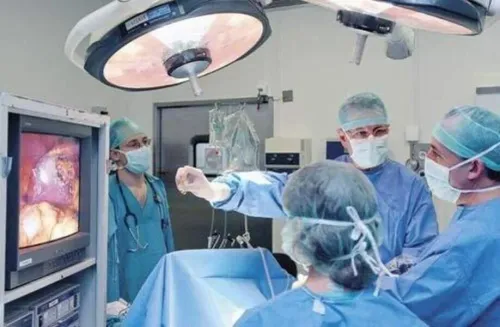
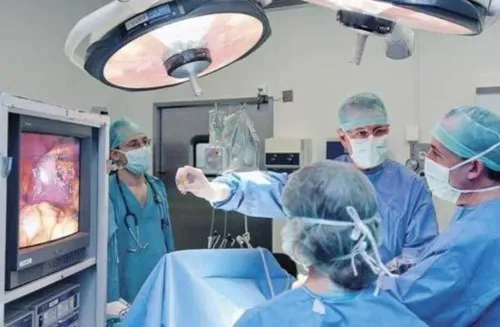
“Appendix surgeon” is not usually a formally defined appendix-only specialty. A general surgeon, gastrointestinal surgeon or surgeon with laparoscopic experience commonly manages appendicitis and performs a laparoscopic appendectomy.
| Role | Main anatomy and problems | Typical work |
|---|---|---|
| Appendix surgeon | Appendix and abdominal cavity; appendicitis and its complications | Assessment, antibiotics, drainage, laparoscopic or open appendectomy |
| Proctologist or colorectal surgeon | Anus, rectum and colon; fissure, fistula, haemorrhoids, abscess and suspected colorectal disease | Anoscopy or proctoscopy, anorectal procedures, cancer referral and colorectal operations |
Laparoscopic appendectomy is not automatic. Perforation, an abscess, extensive inflammation, previous abdominal operations, anaesthetic risk or findings during surgery can lead to antibiotics, drainage, delayed surgery or conversion to open surgery.
Selected adults with uncomplicated appendicitis can discuss antibiotics instead of immediate surgery. Recurrence, later appendectomy and treatment failure linked to an appendicolith remain important parts of that decision.
For a proctologist comparison, Kothrud and Warje patients should check the clinician’s actual diagnostic and emergency capability, not the advertised label alone. Ask whether the practice can:
- Examine unexplained bleeding with anoscopy or proctoscopy.
- Treat fissure, fistula and haemorrhoids.
- Perform timely incision and drainage for an anorectal abscess.
- Arrange referral or treatment pathways when colorectal cancer is suspected.
- Provide hospital backup for perforation, sepsis, anaesthesia and postoperative bleeding.
The right choice depends on the diagnosis, emergency capability and experience with the proposed operation—not on the phrase “appendix specialist” or “proctologist” by itself.
How is suspected appendicitis diagnosed before treatment?
After you contact an appendix surgeon near Sinhgad Road or arrive at hospital, the clinician first builds a timeline. They ask when pain began, whether it moved, vomiting, fever, bowel and urinary symptoms, pregnancy possibility, medicines and previous operations, then examine your abdomen for tenderness, guarding or rigidity.
The usual assessment uses several pieces of evidence:
- Blood tests assess white-cell changes and inflammation.
- Urine testing looks for urinary infection or stones and can support pregnancy-related decisions when relevant.
- Ultrasound or CT is selected according to age, pregnancy status, examination findings, diagnostic uncertainty and local clinical judgment.
| Test | What it adds | Important limit |
|---|---|---|
| Blood test | Supports assessment of infection and inflammation | Cannot prove appendicitis alone |
| Urine test | Helps identify urinary infection or stones | A normal result does not exclude appendicitis |
| Ultrasound | Avoids radiation and can help in children or pregnancy | The appendix may not be visible |
| CT scan | Gives detailed abdominal imaging when uncertainty remains | Not every patient needs CT, and a scan does not make surgery automatic |
Right-lower-quadrant pain, nausea and fever also occur with gastroenteritis, urinary stones and gynaecological conditions. Pain location alone cannot establish appendicitis.
Abdominal pain with rectal bleeding, pain that migrates, or symptoms that do not fit a simple anorectal problem deserves broader assessment. A rigid abdomen, dehydration, fainting or persistent vomiting changes the question from “which clinic?” to “which emergency hospital can assess me now?”
What treatments should you compare for anorectal and appendix problems?
Choose the treatment by diagnosis, anatomy and disease severity, not by labels such as “laser,” “stapler” or “scarless.”
| Option | What it means | Question to ask |
|---|---|---|
| Rubber-band ligation | Office treatment for selected internal haemorrhoids; it is not haemorrhoidectomy | Does my grade and symptom pattern suit it, and is the problem external? |
| Infrared coagulation or sclerotherapy | Office options for selected internal haemorrhoids | Why is this preferable to banding or surgery? |
| Fissure treatment | Softer stools, fibre, fluids and topical treatment first; chronic fissures may need botulinum toxin or surgery | How will healing be balanced against continence disturbance? |
| Abscess drainage | Incision and drainage provides source control for a painful anorectal lump | Can this be drained promptly? Antibiotics alone are not an adequate substitute in most patients. |
| Appendicitis treatment | Laparoscopic appendectomy, antibiotics, drainage, delayed surgery or open surgery | Does perforation, abscess, inflammation, a previous operation or anaesthetic risk change the plan? |
Severe pain during and after defecation fits an anal fissure more closely than uncomplicated haemorrhoids. An anorectal specialist or appendix doctor in Pune should explain why a lump needs urgent drainage rather than treating it as piles.
For selected adults with uncomplicated appendicitis, antibiotics can avoid immediate surgery, but recurrence, later appendectomy and appendicolith-related treatment failure remain relevant. Ask whether the surgeon personally performs the proposed operation and what alternatives exist.
Also ask how recurrence, bleeding, urinary retention, continence problems and recovery apply to your diagnosis and anatomy. A procedure name is not a treatment plan.
How should Kothrud and Warje patients choose the right surgical setting?
Clinic distance is secondary to hospital backup. A search for “proctologist or appendix surgeon Kothrud Warje” should compare what happens if a routine case becomes an emergency, not just which clinic advertises “laser,” “stapler” or “scarless” treatment.
| Setting | Check before choosing | Why it matters |
|---|---|---|
| Outpatient clinic | Consultation, anoscopy or proctoscopy, diagnosis and referral arrangements | Routine piles treatment cannot manage perforation, sepsis or major bleeding |
| Hospital with surgical backup | Emergency imaging, anaesthesia, pathology, blood-bank access and intensive-care support | Appendicitis or a deep abscess can require urgent surgery, drainage or prolonged monitoring |
| Colorectal-capable service | Fissure and fistula treatment, abscess incision and drainage, and cancer evaluation pathways | Unexplained bleeding is not automatically haemorrhoids |
For possible appendicitis or a deep abscess, ask whether the facility treats perforation, sepsis and postoperative bleeding. For anorectal symptoms, ask who investigates unexplained bleeding, whether the surgeon performs anoscopy or proctoscopy, and whether colorectal evaluation is arranged when cancer is possible.
Dr Nitin Pawar-Best Laparoscopic, Hernia, Laser Piles Surgeon in Pune can be one local option for comparing general, laparoscopic, colorectal and proctology assessment across Kothrud, Warje, Sinhagad Road and Pune; still ask about your diagnosis, urgency, proposed operation and hospital support.
An anorectal specialist or appendix doctor in Pune should explain alternatives and personally perform, or clearly identify who performs, the proposed procedure.
- Use emergency care for severe or worsening pain, repeated vomiting, fainting, confusion, fever or a rigid abdomen.
- Seek anorectal evaluation for persistent anal symptoms or bleeding.
- Choose a general or gastrointestinal surgeon for suspected appendicitis.
Frequently asked questions
Which symptoms need an appendix surgeon, and which need a proctologist?
Pain that moves from the navel to the lower right abdomen with fever, vomiting or appetite loss needs urgent assessment for appendicitis. Rectal bleeding, piles, anal fissures, fistulas and persistent anal pain point toward a proctologist.
What does an appendix surgeon actually do?
An appendix surgeon evaluates suspected appendicitis, rules out similar conditions, discusses observation or antibiotics when appropriate, and performs appendectomy when surgery is required.
How is suspected appendicitis diagnosed before treatment?
Diagnosis uses your symptom history, abdominal examination, blood tests such as a complete blood count and C-reactive protein, urine testing when needed, and imaging such as ultrasound or CT.
What treatments should you compare for anorectal and appendix problems?
Compare treatment urgency, non-surgical options, laparoscopic or open surgery, anaesthesia, recovery time, recurrence risk and follow-up requirements for your specific diagnosis.
How should Kothrud and Warje patients choose the right surgical setting?
Choose a setting that can provide prompt examination, blood tests, imaging, anaesthesia, emergency surgery and postoperative monitoring when appendicitis is possible. For anorectal conditions, confirm access to a proctologist and suitable procedures.