
Choosing appendix surgery depends on more than incision size: the examination, scan findings, infection severity, pregnancy status, previous operations and hospital capability all matter. You will learn how laparoscopic and open appendectomy compare, when conversion is safer, and what to ask before and after treatment.
Key takeaways
- Spread infection and surgical findings determine the approach.
- Laparoscopic surgery uses small incisions; open surgery uses one larger incision.
- Follow wound-care instructions and seek help for fever, worsening pain, or pus.
- Ask which approach fits your examination, scans, and overall health.
How doctors decide which appendix treatment you need
The decision depends on examination findings, test results and whether infection has spread—not simply on choosing between appendix surgery options Shivajinagar.
A doctor checks right-lower abdominal tenderness, guarding, rebound pain, fever, pulse, dehydration and abdominal rigidity. A complete blood count looks for raised white cells, while C-reactive protein helps indicate inflammation and possible complicated disease.
Urine testing can identify a urinary infection or kidney stone; pregnancy testing is important when pregnancy is possible because it changes imaging and anaesthesia planning.
Ultrasound is often used first when the diagnosis is uncertain, particularly in children or pregnancy. CT provides clearer evidence of an inflamed, perforated or gangrenous appendix, an appendicolith, abscess or appendix mass when complications are suspected.
| Finding | Usual treatment direction |
|---|---|
| Uncomplicated appendicitis | Laparoscopic appendectomy; selected adults may discuss antibiotics alone after imaging confirms the diagnosis |
| Perforation, gangrene or diffuse peritonitis | Urgent antibiotics and source control, usually surgery |
| Abscess or appendix mass | Antibiotics with drainage when needed, followed by delayed or staged surgery in selected cases |
Antibiotics alone do not guarantee that surgery will be avoided. An appendicolith, unreliable follow-up or recurring symptoms makes this option less suitable.
An abscess can make immediate appendectomy difficult, so drainage and antibiotics may come first. Widespread infection demands urgent source control, because delay can lead to sepsis. The appropriate laparoscopic surgeon or open surgery appendix treatment Shivajinagar depends on anatomy, infection severity and the facility’s emergency capability.
Laparoscopic versus open appendectomy: what changes for you
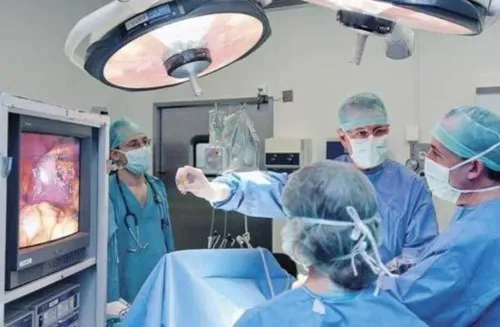
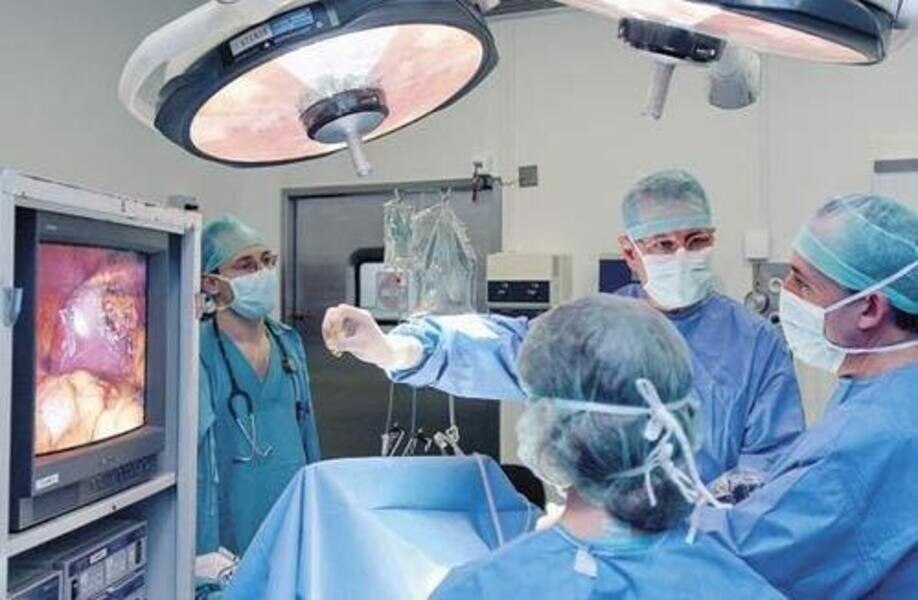
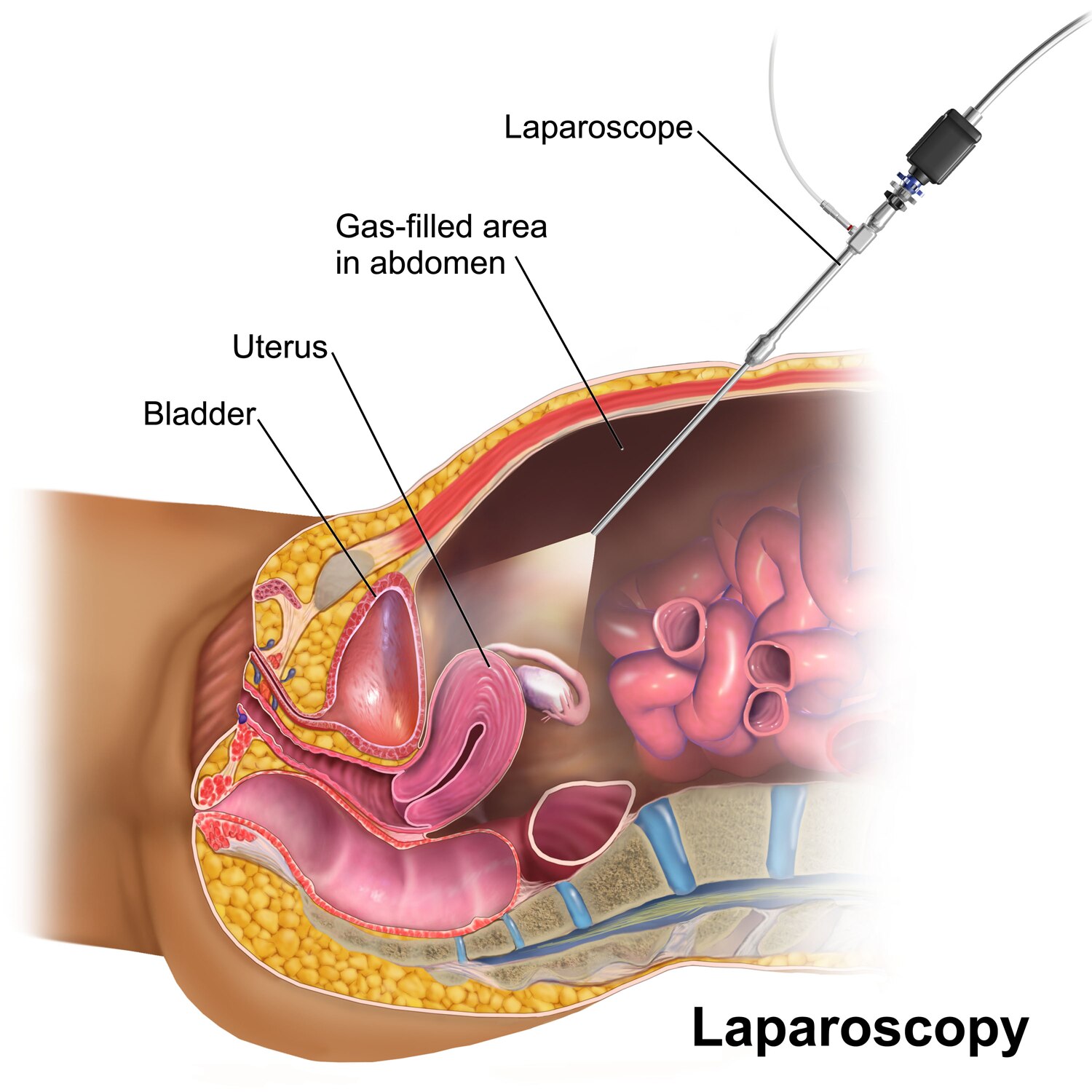
Laparoscopic appendectomy uses a camera through several small abdominal incisions. Open appendectomy uses one larger incision in the right lower quadrant. The camera can also inspect other abdominal organs when the appendix is not clearly the only cause of pain.
| Approach | What changes for you | Main trade-off |
|---|---|---|
| Laparoscopic | Smaller wounds, less wound care, less postoperative pain, earlier walking, shorter hospital stay and faster return to routine activity | Access can cause bleeding, organ injury, anaesthetic complications or port-site infection |
| Open | Direct access through a right-lower-quadrant incision; accepted when severe infection or difficult anatomy makes it safer | Larger wound, more pain with movement and a higher wound-infection burden |
For most adults, laparoscopy is generally preferred when the equipment and a trained team are available. Neither operation removes every risk. Open appendectomy remains appropriate for perforation, gangrene, dense inflammation, unclear anatomy or other findings that make direct access safer.
After laparoscopy, you still need to keep the small wounds clean and follow dressing instructions. Open surgery usually requires more careful incision support during coughing, sitting and walking. Your surgeon will set lifting limits; do not assume that a smaller wound permits heavy lifting immediately.
Many people return to desk work sooner after laparoscopy, while open surgery can require more time because of incision pain. Infection severity, pain, job demands and examination matter more than a fixed timetable. These considerations apply whether you search for laparoscopic appendix treatment Shivajinagar or open surgery appendix treatment in Pune.
When the surgeon changes approach—and which team to choose
Conversion is necessary when continuing laparoscopically risks bleeding or injury. Severe inflammation, perforation, abscess, gangrene, dense adhesions, unclear anatomy, or suspected bowel or other-organ injury can make an open incision safer. Conversion is a safety decision, not treatment failure.
| Option | Main advantage | Important limitation |
|---|---|---|
| Laparoscopic appendectomy | Smaller wounds, better abdominal visibility, less pain and faster recovery | Access, anaesthesia and organ-injury risks; unsafe anatomy may require conversion |
| Open appendectomy | Direct access through a larger right-lower-quadrant incision | More wound pain, wound care and infection risk, with slower mobility |
| Conversion | Allows safer control of infection, bleeding or injured tissue | Recovery follows the larger-incision approach |
Age changes the plan: children may have atypical symptoms, while older adults need careful imaging because perforation and alternative diagnoses are more concerning. Pregnancy requires pregnancy-appropriate imaging, modified port placement and technique based on uterine size; delaying indicated surgery creates its own danger. Obesity or previous abdominal surgery can alter port sites and adhesions.
An appendix mass may require antibiotics, drainage, interval imaging and delayed surgery rather than immediate removal.
For appendix surgery options Shivajinagar, compare capability, not slogans. Ask whether the surgeon performs both approaches and whether the facility has:
- Emergency CT or ultrasound, 24-hour anaesthesia and operating-room access
- Pathology examination of the removed appendix
- Postoperative monitoring and a clear plan for perforation or sepsis
Dr Nitin Pawar-Best Laparoscopic, Hernia, Laser Piles Surgeon in Pune provides surgical assessment for patients considering laparoscopic appendix treatment Shivajinagar; findings and facility capability should guide the decision, including open surgery appendix treatment in Pune.
Related product
 | LAPAROSCOPIC SURGEON IN SHIVAJI NAGAR,DECCAN,PUNE Dr Nitin Pawar is the Reliable and one of the Best Laparoscopic Surgeon/Hernia Surgeon in Shivaji Nagar,Deccan,FC Road,Erandwane and entire Pune. |
What happens before appendix surgery
After the decision to operate, you will be told when to stop eating and drinking; follow the exact fasting time because stomach contents increase anaesthesia risk. A cannula provides intravenous fluids, and antibiotics are given when appendicitis infection is suspected or confirmed.
1. The anaesthetist reviews allergies, blood thinners and other medicines, diabetes, pregnancy, previous anaesthesia problems, and earlier abdominal operations. Tell the team about every medicine, including aspirin and herbal products.
2. Before theatre, remove jewellery, dentures and contact lenses. Remove nail polish, gel or acrylic nails when instructed, because monitors and examination equipment must work reliably.
3. Your consent should cover laparoscopic appendectomy, open appendectomy and conversion from laparoscopic to open surgery. Conversion may be safer if inflammation, bleeding or unclear anatomy prevents safe keyhole surgery.
4. Ask whether the removed appendix will be sent for pathology, and how perforation would change antibiotics, observation and hospital monitoring. Uncomplicated cases usually need no routine antibiotics after removal; complicated infection needs antibiotics after adequate source control, with duration decided by the treating team.
5. Before discharge, ask who to contact and which restrictions apply to driving, work, lifting and bathing. These instructions differ after laparoscopic and open surgery and depend on your recovery.
If you are comparing appendix surgery options Shivajinagar, confirm that the facility can provide emergency anaesthesia, operating-room access, pathology and postoperative monitoring. Bring your medication list and identification.
Recovery, wound care and warning signs after appendectomy
1. Whether you searched for a laparoscopic surgeon or open surgery appendix treatment Shivajinagar, or for open surgery appendix treatment in Pune, begin recovery with clear fluids. Add light food as nausea settles, take prescribed pain medicine as directed, and walk for a few minutes several times daily.
Short, frequent walks reduce stiffness and help your bowel function return.
2. Inspect the wound each day for increasing redness, swelling, discharge or separation. Keep dressings clean and dry, and shower only as instructed by your surgical team; do not soak the wound unless cleared. Avoid lifting until the surgeon allows it.
Return to work and normal activity depends on laparoscopic or open surgery, perforation, pain, your job’s physical demands and examination—not a fixed promise.
3. Contact the surgical team urgently or seek emergency care for worsening abdominal pain, persistent fever, repeated vomiting, inability to drink, increasing abdominal swelling, fainting, breathing difficulty, spreading redness, pus, wound separation, inability to pass urine, or inability to pass stool or gas after discharge.
These signs can indicate an abscess, wound infection, ileus, bleeding or sepsis. Fainting or breathing difficulty can signal serious bleeding or systemic illness. Routine follow-up does not replace urgent assessment when symptoms are worsening.
Frequently asked questions
How do doctors choose between laparoscopic and open appendix surgery?
They assess your examination, blood tests, imaging, appendix inflammation, infection spread, previous operations, and overall health.
What is the difference between laparoscopic and open appendectomy?
Laparoscopic appendectomy uses a camera and several small incisions, while open appendectomy removes the appendix through one larger incision.
When might a surgeon change from laparoscopic to open surgery?
The surgeon may change approach when severe infection, bleeding, unclear anatomy, dense scar tissue, or an unsafe view makes open access safer.
What should you do before appendix surgery?
Follow fasting instructions, disclose medicines and allergies, arrange transport and help at home, and complete the requested tests.
Which warning signs require medical attention after appendectomy?
Contact your surgical team for fever, increasing abdominal pain, repeated vomiting, wound redness that spreads, swelling, pus, or wound separation.