

Appendicitis needs prompt assessment because pain can progress from a treatable inflammation to perforation, peritonitis or sepsis. You will be able to recognise warning signs, understand how doctors confirm the diagnosis, compare surgery with selected antibiotic treatment, and choose appropriate emergency support in Pune.
Key takeaways
- Seek emergency assessment for worsening pain, fever, vomiting or abdominal tenderness.
- CT or ultrasound can identify appendicitis, perforation, abscess and other causes.
- Appendectomy is usually definitive; antibiotics suit selected uncomplicated cases.
- Choose a Pune hospital with emergency evaluation and gastrointestinal surgical support.
When appendix pain needs emergency assessment
Worsening abdominal pain needs emergency assessment, not a routine clinic appointment. Appendicitis often starts around the navel, moves to the lower right abdomen, and intensifies with walking, coughing or other movement. Fever, nausea, vomiting, loss of appetite, guarding and marked tenderness strengthen the concern.
- Go directly to an emergency department if pain is worsening, vomiting prevents you from keeping fluids down, fever or abdominal tenderness appears, or your abdomen becomes rigid.
- Do not eat before assessment if surgery is possible; food can delay anaesthesia and the operation. Do not self-medicate with leftover antibiotics or excessive painkillers, which can mask deterioration, cause side effects or complicate assessment.
- Do not spend a surgical emergency seeking several opinions. A perforated appendix can cause peritonitis and sepsis, making delay dangerous.
An emergency physician performs the first assessment and stabilisation. A general surgeon may perform the appendectomy, and a gastrointestinal surgeon can diagnose and operate because appendectomy is digestive surgery. A gastroenterologist usually manages digestive diseases without operating.
In Pune, titles vary. “Gastrointestinal surgeon in Pune” or “digestive surgery in Pune” does not prove emergency appendix expertise. Confirm that the clinician can provide urgent assessment and laparoscopic or open surgery, with round-the-clock imaging, anaesthesia and hospital support.
How doctors confirm appendicitis and find complications
A diagnosis combines the history, abdominal examination and tests; an online symptom match cannot confirm appendicitis. The clinician checks tenderness, guarding, rigidity, pain with movement, bowel sounds and the abdomen’s overall condition. A white blood cell count and C-reactive protein indicate inflammation but do not prove its cause.
Urine testing looks for infection or blood from a stone, and pregnancy testing is essential when pregnancy is possible.
| Condition | Why it can look similar | Helpful distinction |
|---|---|---|
| Appendicitis | Right-sided abdominal pain, nausea | Examination and imaging show an inflamed appendix |
| Urinary infection | Lower abdominal pain, fever | Urine contains infection markers |
| Kidney stone | Severe flank-to-groin pain, blood in urine | Imaging may show a ureteric stone |
| Gastroenteritis | Vomiting, diarrhoea, cramps | Diffuse symptoms without focal appendiceal inflammation |
| Gallbladder disease | Right-sided pain, vomiting | Pain is usually higher, under the ribs |
| Ovarian condition | Pelvic pain | Pelvic examination and ultrasound |
| Ectopic pregnancy | Pain, bleeding, faintness | Pregnancy test and urgent pelvic assessment |
| Inflammatory bowel disease | Pain, diarrhoea, weight loss | History, imaging and sometimes endoscopy |
Ultrasound avoids radiation and is useful, but its result depends on the operator, body habitus and appendix visibility. CT is generally more accurate for an uncertain diagnosis in non-pregnant adults; ultrasound or MRI is preferred when radiation avoidance matters, including pregnancy.
A normal early scan or temporary pain relief does not exclude worsening disease, so persistent or increasing symptoms require reassessment.
- Uncomplicated inflammation.
- Perforation, abscess or inflammatory mass.
- Diffuse peritonitis or sepsis.
Perforation or abscess can require intravenous antibiotics, image-guided drainage when accessible, source control or urgent surgery, depending on examination findings and the patient’s condition. This is the basis of safe appendix treatment in Pune—not one scan alone.
Appendectomy or antibiotics: which treatment path fits the case
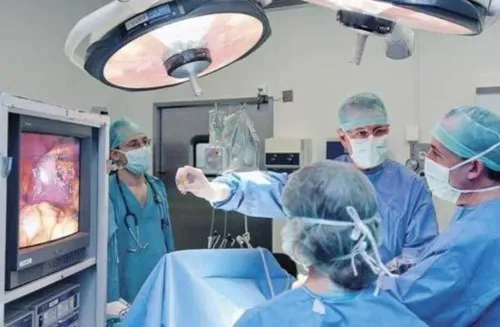
For most suitable patients with uncomplicated appendicitis, laparoscopic appendectomy is generally preferred when trained expertise and equipment are available. Under general anaesthesia, the surgeon usually makes three small incisions, removes the appendix, and inspects the abdominal cavity for pus, perforation or another cause.
If the view or anatomy is unsafe, conversion to open surgery protects the patient.
| Treatment path | What it involves | Main trade-off |
|---|---|---|
| Laparoscopic appendectomy | Small incisions, appendix removal and abdominal inspection | Commonly less pain, shorter hospitalisation and faster recovery |
| Open appendectomy | A larger abdominal incision and appendix removal | More wound care and usually slower recovery |
| Antibiotics alone | Observation and antibiotics for selected adults with imaging-confirmed uncomplicated disease | Recurrence, readmission and later surgery remain possible |
Open appendectomy is preferred or required when the appendix has ruptured, infection is extensive, anatomy is difficult, or laparoscopy cannot be completed safely. An appendix surgery specialist must also consider the patient’s examination, imaging, age, pregnancy status and access to emergency care.
Antibiotics are not a guaranteed way to avoid surgery. In the CODA trial, about 29% of patients required appendectomy within 90 days; the risk was higher with an appendicolith. Perforation, abscess or diffuse peritonitis makes antibiotic-only treatment less suitable and can require drainage or urgent surgery.
After a successfully treated abscess, routine interval appendectomy is not automatic for every younger adult. Under WSES guidance, adults aged 40 or older need follow-up colon evaluation and contrast-enhanced CT because an underlying appendiceal or colonic tumour is more concerning.
What preparation, recovery and risks should you expect
Before surgery, stop eating and drinking for the period the anaesthesia team specifies. Staff will place an intravenous line for fluids, antibiotics, pain relief and anti-nausea medicine. Consent covers the planned operation and alternatives; an anaesthesia assessment reviews allergies, medicines, medical conditions, pregnancy possibility and airway risks.
| Approach | What to expect | Recovery factors |
|---|---|---|
| Laparoscopic | General anaesthesia and usually three small incisions | Often less wound pain and shorter admission |
| Open | One larger incision, sometimes chosen for rupture or difficult anatomy | More wound care and a longer recovery |
You will usually start walking early, then advance from sips to normal food as nausea and bowel function settle. Keep dressings clean and follow instructions on showering; do not soak wounds until permitted. Drive only when you can brake, turn and react without pain or sedating medicine.
Return to work and exercise when strength, wound healing and the operation’s demands allow, not by a fixed date. Perforation and open surgery often prolong recovery and hospital stay.
Discuss these risks before appendix treatment in Pune:
- Bleeding, wound infection or an intra-abdominal abscess
- Bowel or urinary injury, anaesthetic complications and venous blood clots
- Conversion from laparoscopic to open surgery
Risk increases with delayed presentation, perforation, severe contamination or major medical conditions. Seek medical review for fever, increasing pain, wound redness or pus, repeated vomiting, inability to pass stool or gas, or any new worsening illness after discharge.
If the appendix looks normal, the surgeon may inspect the terminal ileum, caecum and pelvis for another cause rather than remove a normal appendix automatically.
How to choose urgent appendix care in Pune
A worsening case should go to an emergency department, not wait for a clinic appointment while you compare doctors. Search results for gastrointestinal surgeon appendix treatment in Pune are only a starting point: verify the surgeon’s registration, qualifications, laparoscopic appendectomy experience and record managing perforated appendicitis.
Ask these questions before accepting care, without delaying assessment:
- Does the hospital provide round-the-clock imaging, anaesthesia and emergency operating facilities?
- Can the team perform open surgery, arrange image-guided abscess drainage and provide intensive support when necessary?
- Will the removed appendix undergo pathology examination?
- Who will assess you if pain, fever or vomiting worsens after hours?
- What are the appointment time, emergency referral route, hospital location, admission steps, operation schedule and expected stay?
- Should you bring scan reports, blood results, your medication list and pregnancy information?
Gastrointestinal, general and laparoscopic surgeons may all treat appendicitis; “appendix surgery specialist” is not a protected emergency-care guarantee. Compare the title with actual capability:
| Clinician or service | What to verify | Why it matters |
|---|---|---|
| Gastrointestinal surgeon in Pune | Urgent appendectomy and perforation experience | Digestive surgery expertise must include emergency care |
| General or laparoscopic surgeon | Laparoscopic and open operating access | The safer approach depends on findings |
| Hospital emergency team | Imaging, anaesthesia, theatre and intensive support | Deterioration cannot wait for office hours |
Dr Nitin Pawar-Best Laparoscopic, Hernia, Laser Piles Surgeon in Pune is a local option only after you verify current emergency availability, hospital facilities, anaesthesia and imaging support, and follow-up arrangements.
Related items
 | Gastrointestinal Surgeon in Pune Gastrointestinal Surgeon in Pune Dr Nitin Pawar is the Best Abdominal Pain Specialist, Gallbladder, Gallstone, Gastrointestinal Surgeon in Pune. View service → |
| Dr. Nitin Pawar is A Reliable and on of the Best Gastroenterologist in Pune,Gastroenterology Surgeon in PUNE. View product → |
Frequently asked questions
When does appendix pain require emergency assessment?
Seek emergency care when abdominal pain worsens, moves to the lower right side, or increases with walking or coughing. Fever, nausea, vomiting, appetite loss, guarding or marked tenderness add urgency.
How do doctors confirm appendicitis and detect complications?
Doctors assess your symptoms and abdomen, then use blood and urine tests plus ultrasound or CT when needed. Imaging can show an inflamed appendix, perforation, abscess or another cause of pain.
Is surgery or antibiotics better for appendicitis?
Appendectomy removes the inflamed appendix and provides definitive treatment. Antibiotics can suit selected patients with uncomplicated appendicitis, while perforation, an abscess, worsening symptoms or recurrence concerns favour surgical management.
What should you expect after appendix surgery?
Expect instructions about fasting, medicines, wound care, activity and warning signs. Recovery depends on whether surgery is laparoscopic or open and whether the appendix has perforated; fever, increasing pain, persistent vomiting or wound discharge require prompt review.
How should you choose urgent appendix care in Pune?
Choose a facility that can assess you promptly, perform necessary imaging and blood tests, provide emergency surgery and manage complications. A gastrointestinal surgeon or appendix surgery specialist should explain the diagnosis, treatment options and follow-up plan.