

Sudden abdominal pain is not always a stomach upset: appendicitis can progress from blockage and inflammation to perforation, abscess and sepsis. You will learn how clinicians confirm the diagnosis, choose between antibiotics, drainage and surgery, and assess a Pune hospital before urgent appendix treatment.
Key takeaways
- Seek emergency care for worsening right-lower abdominal pain, vomiting, fever or rigid tenderness.
- Diagnosis combines an examination with blood tests and ultrasound or CT when needed.
- Antibiotics, drainage and appendix removal suit different clinical situations.
- Ask about surgeon experience, hospital support, anaesthesia, costs and follow-up before choosing care.
Recognising appendicitis and knowing when to seek emergency care
Appendicitis often starts when the appendix becomes blocked, then swollen and infected. Pain may begin around the navel and move to the lower-right abdomen, becoming worse with walking, coughing or touch. Fever, nausea, vomiting, loss of appetite and increasing tenderness support suspicion, but no single symptom proves appendicitis.
Go straight to an emergency department if you have:
- Severe or rapidly worsening abdominal pain
- A rigid, swollen abdomen or extreme tenderness
- Repeated vomiting or inability to keep water down
- Fainting, confusion, unusual drowsiness, pale or clammy skin
- Fever with rapid breathing, a racing heartbeat or marked weakness
These signs can indicate a ruptured appendix, abdominal infection or sepsis rather than uncomplicated inflammation. Do not wait for a routine appointment, take laxatives or use leftover antibiotics to mask symptoms; a delay can allow perforation and an abscess to develop.
Even milder but persistent right-lower-abdominal pain needs same-day medical assessment, especially during pregnancy, in children or older adults, where symptoms can be less typical. A clinician will combine your history and examination with blood and urine tests and often imaging.
If you are researching appendix treatment in Pune, choose urgent assessment over comparing package prices while severe symptoms are present.
How a Pune clinician confirms the diagnosis
The examination starts with the pain pattern and abdominal findings: focal right-lower-quadrant tenderness supports appendicitis, while guarding, rebound tenderness, a rigid abdomen, fever, low blood pressure or confusion raises concern for perforation and peritonitis. The clinician also checks for urinary, gynaecological, bowel and gallbladder causes.
Blood tests add evidence but do not prove the diagnosis. A white blood cell count and C-reactive protein measure inflammation; electrolytes, creatinine and liver tests help assess dehydration, kidney function and alternative abdominal disease. Urinalysis can reveal blood or infection from a urinary stone or UTI.
A urine or blood pregnancy test is essential when pregnancy is possible because it changes imaging choices and considers ectopic pregnancy.
| Finding | What it suggests | Usual next step |
|---|---|---|
| Uncomplicated appendicitis | Enlarged, inflamed appendix without rupture, abscess or diffuse fluid | Ultrasound or CT to confirm; antibiotics or appendectomy may be discussed |
| Perforation or abscess | Extraluminal air, fluid collection, extensive inflammation or a mass on imaging | Urgent surgical assessment, intravenous antibiotics and possible drainage |
| Another cause | Stone, urinary infection, ovarian disease, ectopic pregnancy, ileitis or diverticulitis | Targeted treatment for the identified condition |
Ultrasound avoids radiation and is useful in children and pregnancy, but bowel gas can obscure the appendix. Contrast CT is more accurate for many adults and detects perforation or abscess; MRI is an option during pregnancy. These results guide appendix treatment in Pune and help a laparoscopic surgeon in Pune choose the safest plan.
Choosing between antibiotics, drainage and appendix removal
Imaging and examination determine the choice: uncomplicated appendicitis may suit antibiotics or laparoscopic appendectomy, while perforation, abscess, sepsis or widespread peritonitis demands a more complex plan.
| Option | What it means | When it applies |
|---|---|---|
| Antibiotics | Intravenous, then oral treatment without immediate removal | Selected adults with uncomplicated appendicitis and no perforation, abscess, diffuse peritonitis or appendicolith. This is not a permanent cure; in the CODA trial, 29% had an appendectomy within 90 days, with higher risk when an appendicolith was present. |
| Image-guided drainage | A radiologist places a tube through the skin to empty an abscess, alongside antibiotics | A contained abscess makes immediate dissection hazardous. The team reassesses infection and may discuss delayed appendix removal. |
| Laparoscopic appendectomy | The surgeon removes the appendix through small abdominal incisions | The usual definitive treatment for uncomplicated disease and many complicated cases when the patient is stable and the anatomy is manageable. |
| Open appendectomy | The appendix is removed through a larger incision, or laparoscopy is converted | Diffuse peritonitis, severe inflammation, gangrene, unstable illness, difficult anatomy or an unsafe laparoscopic view can require this approach. |
A perforated appendix often means intravenous antibiotics, abdominal washout, a drain, longer monitoring and a longer admission. Ask how the plan changes if perforation appears during surgery; the label “laparoscopic” alone does not guarantee that open conversion, intensive care or emergency backup is available.
This distinction matters when comparing appendix treatment with a laparoscopic surgeon in Pune or appendix treatment in Pune.
What the appendix surgery process and recovery involve
After emergency admission, the team reviews your scans, blood results, medicines, allergies and medical history, then starts intravenous fluids and antibiotics when infection is suspected. The anaesthetist explains general anaesthesia and checks whether perforation, gangrene, abscess, pregnancy or another illness requires a modified plan.
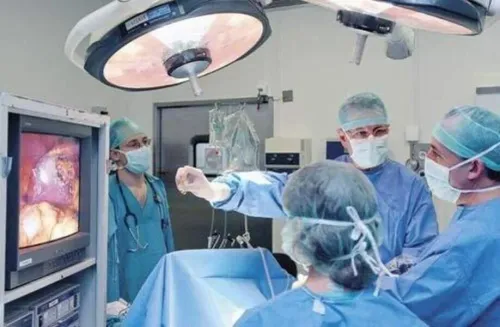
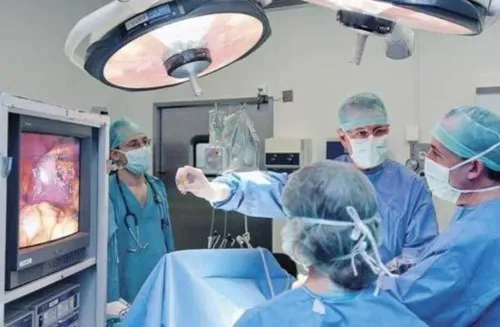
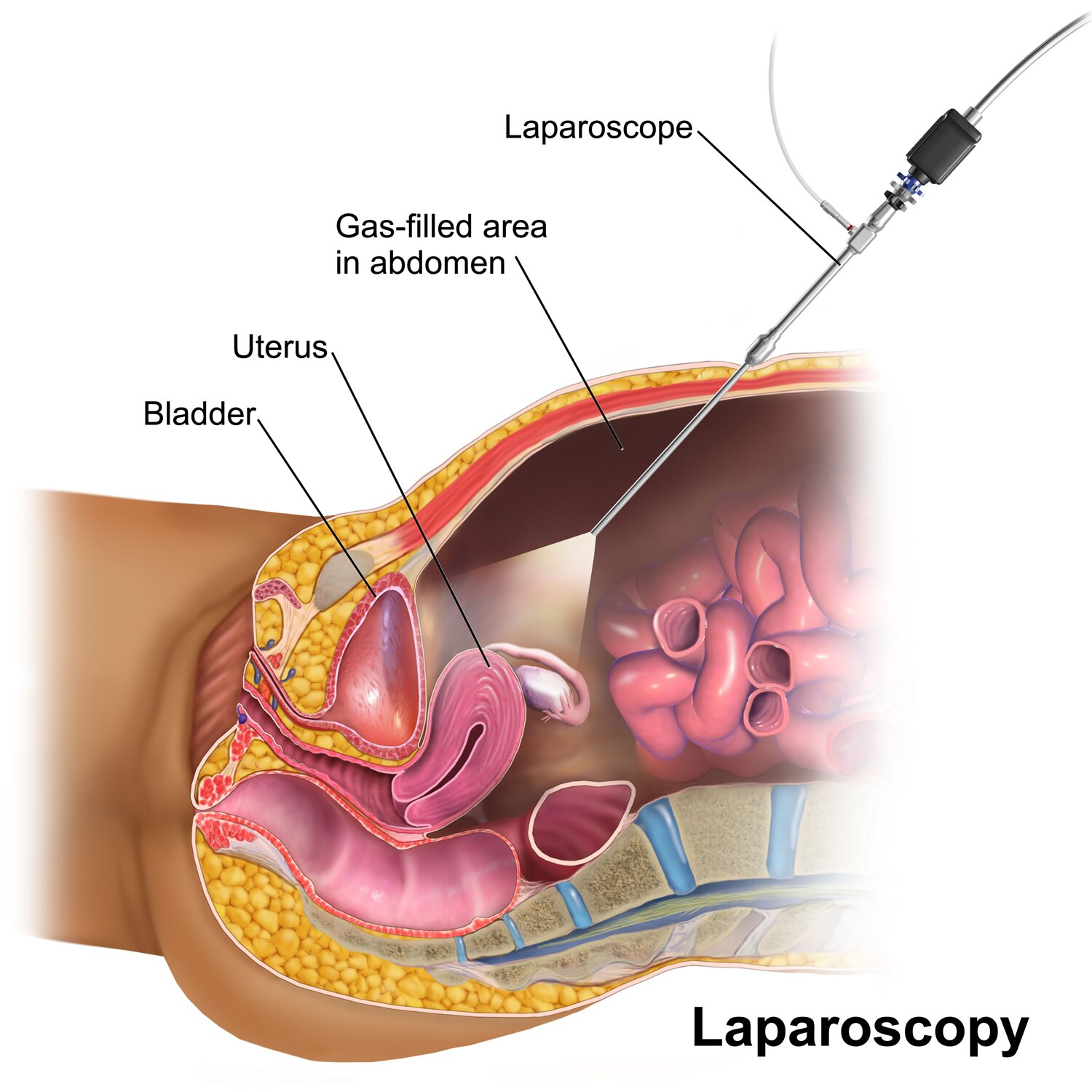
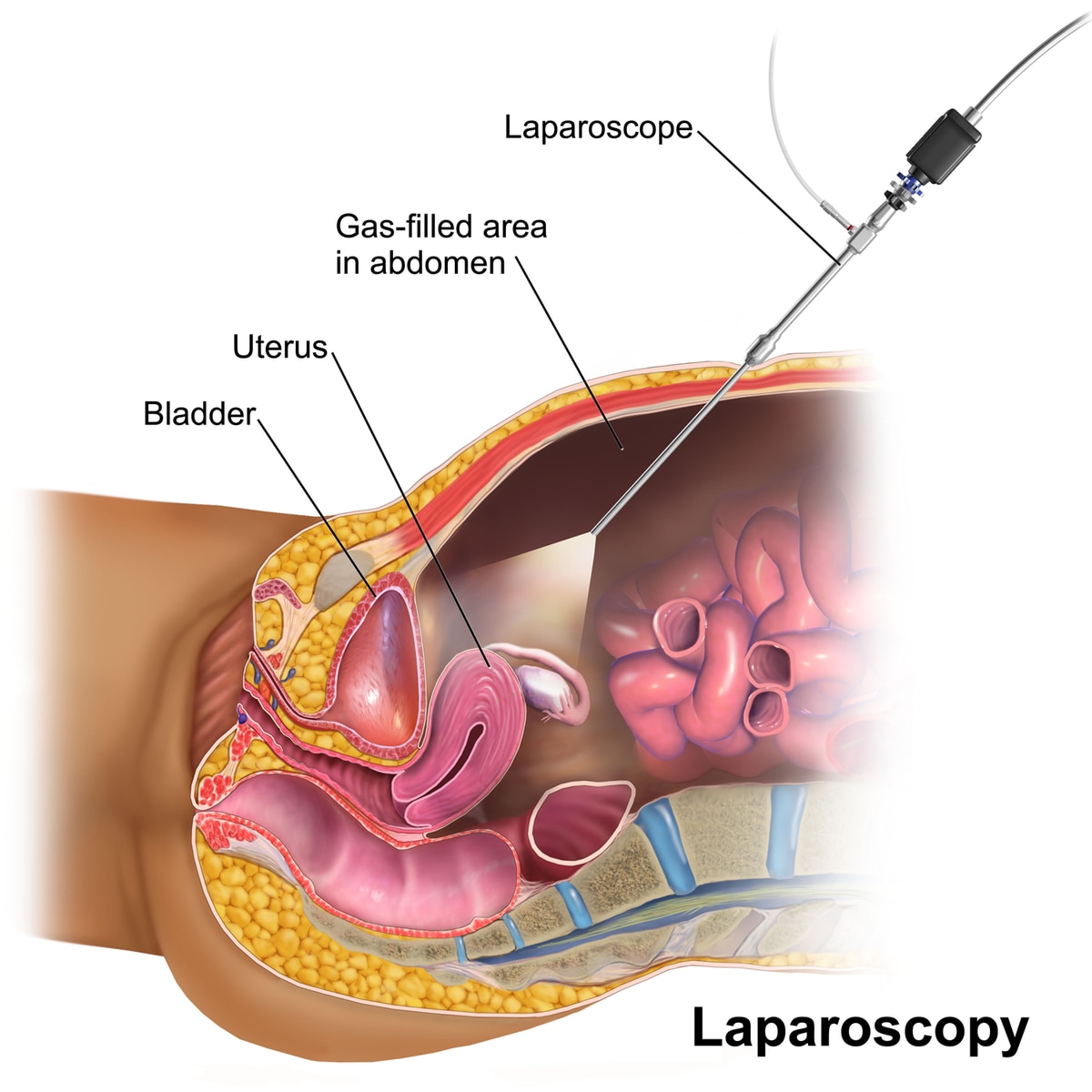
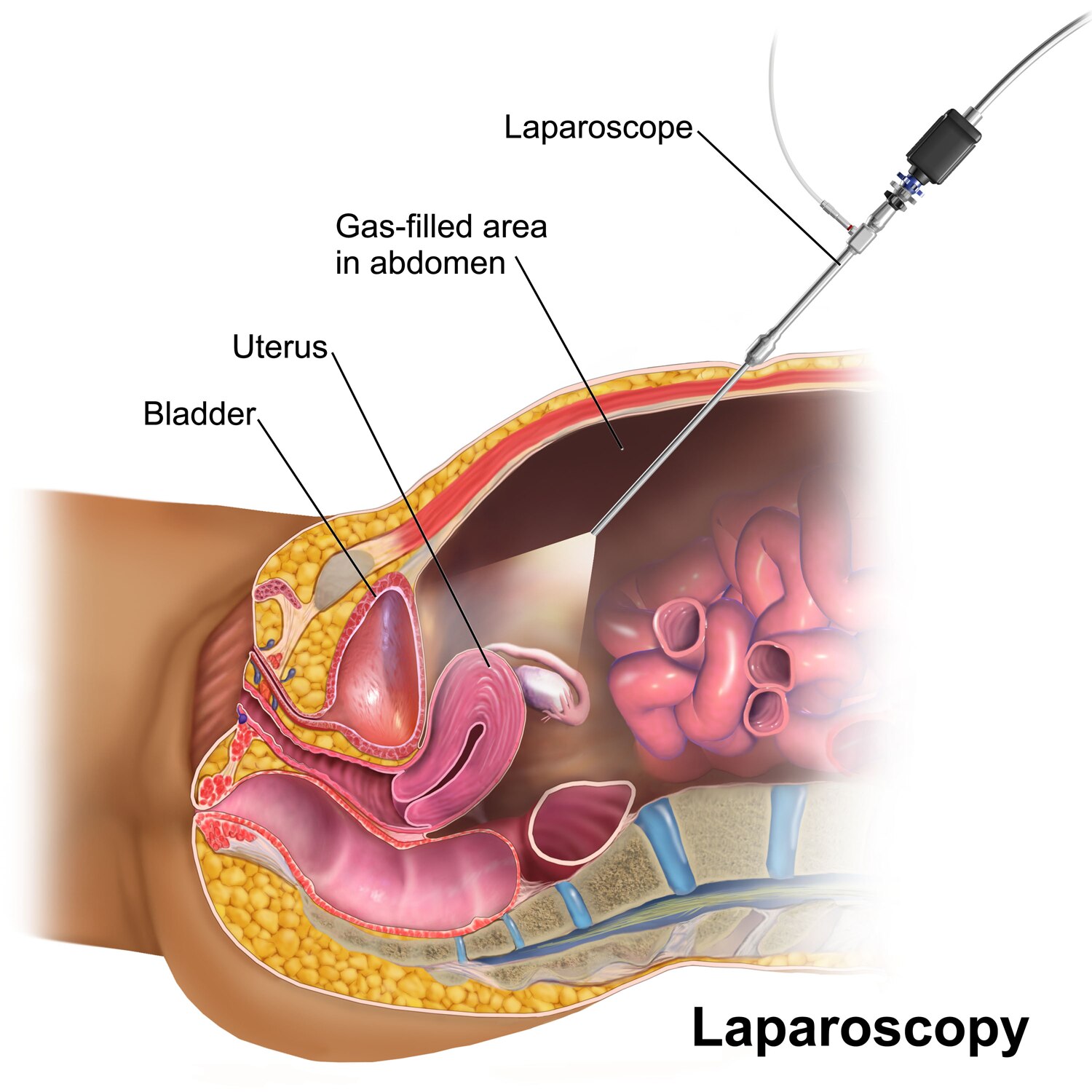
1. In the operating theatre, you receive general anaesthesia and continuous monitoring. The surgeon makes several small abdominal incisions, inflates the abdomen with carbon dioxide, and inserts a camera and instruments.
2. The appendix is separated from nearby tissue, its blood supply and base are sealed or tied, and it is removed through a port. The surgeon washes infected fluid and places a drain when contamination or an abscess makes drainage necessary.
3. The removed appendix goes to a pathology laboratory. The report confirms appendicitis and can identify unexpected disease; ask when and how you will receive the result.
4. After surgery, nurses monitor pain, temperature, nausea, urine output and bowel function. Uncomplicated cases may leave within about 24 hours once you can drink, walk, urinate and remain fever-free; perforation or sepsis often requires intravenous antibiotics and a longer admission.
At discharge, confirm wound-care instructions, pain medicines, activity limits and warning signs such as fever, worsening pain, vomiting or pus from an incision. Follow-up checks healing, pathology and any drain or antibiotic plan.
The appendix surgery process in Pune and laparoscopic appendix surgery in Pune should be discussed in terms of disease severity, not a promised same-day discharge.
How to compare laparoscopic appendix care in Pune
Do not compare hospitals by the word “laparoscopic” alone. Ask who will operate, whether an anaesthetist and emergency surgical backup are available, and how complications are handled. For laparoscopic appendix surgery in Pune, ask the surgeon to distinguish uncomplicated appendicitis from perforation, gangrene, diffuse peritonitis or an abscess before quoting recovery time or price.
- Who will review your scan, who will perform the operation, and who covers emergencies overnight?
- If the appendix has perforated, could you need open surgery, a drain, intravenous antibiotics or intensive monitoring?
- If an abscess is present, does the hospital provide image-guided drainage and reassessment before any interval operation?
- Are pathology results, wound review, antibiotic decisions and readmission instructions included in follow-up?
Patients discussing appendix treatment with laparoscopic surgeon in Pune should ask these questions directly, including when consulting Dr Nitin Pawar-Best Laparoscopic, Hernia, Laser Piles Surgeon in Pune.
| Finding | What to confirm | Why it matters |
|---|---|---|
| Uncomplicated appendicitis | Laparoscopic removal or antibiotics, and the criteria for discharge | Antibiotics are not a guaranteed permanent cure |
| Perforation or gangrene | Drain policy, antibiotic duration and monitoring for sepsis | Infection can require a longer admission |
| Abscess | Drainage expertise, repeat imaging and timing of surgery | Operating through inflamed tissue can increase difficulty |
| Any operation | Anaesthesia review, complication plan and pathology reporting | A difficult case needs hospital-wide backup |
Related items
 | Laparoscopic Surgeon in Pune Dr Nitin Pawar is the Best Laparoscopic Surgeon in Pune, Laparoscopic Specialist in Pune, Laparoscopic Surgery Doctor in Pune. View service → |
 | LAPAROSCOPIC SURGEON IN KOTHRUD,WARJE,PUNE Dr Nitin Pawar is the Reliable and one of the Best Laparoscopic Surgeon/Hernia Surgeon in Kothrud,Bavdhan,Warje,Sinhagad Road and entire Pune. |
Frequently asked questions
When should you seek emergency care for suspected appendicitis?
Seek urgent medical assessment when abdominal pain worsens, shifts to the lower-right side, or occurs with fever, vomiting, increasing tenderness or pain during movement. Sudden severe pain, fainting, confusion or a rigid abdomen requires emergency care.
How does a Pune clinician confirm appendicitis?
The clinician reviews your symptoms and examines the abdomen, then may order a complete blood count, C-reactive protein, urine testing, ultrasound or CT. The choice depends on your examination, age, pregnancy status and diagnostic uncertainty.
When are antibiotics, drainage or appendix removal used?
Antibiotics may be considered for selected uncomplicated cases. Image-guided drainage treats an abscess before or instead of immediate surgery in selected patients. Appendix removal is used when infection is worsening, perforation is suspected or non-operative treatment is unsuitable.
What does laparoscopic appendix surgery recovery involve?
Laparoscopic appendectomy uses small abdominal incisions under general anaesthesia. Recovery involves pain control, wound care, gradual activity and follow-up; recovery time depends on whether the appendix ruptured and whether complications occurred.
How can you compare laparoscopic appendix care in Pune?
Compare the surgeon’s laparoscopic experience, emergency access, anaesthesia and imaging support, hospital infection-control systems, transparent estimates, discharge instructions and follow-up arrangements.
Related items
 | Advanced Laparoscopic Surgeon in Pune Advanced Laparoscopic Surgeon in Pune Dr.Nitin Pawar is the Best Advanced Laparoscopic Surgeon in Pune, Best Laparoscopy Surgeon in Pune, Laparoscopy Surgery Specialist in Pune. View service → |
 | LAPAROSCOPIC SURGEON IN SHIVAJI NAGAR,DECCAN,PUNE Dr Nitin Pawar is the Reliable and one of the Best Laparoscopic Surgeon/Hernia Surgeon in Shivaji Nagar,Deccan,FC Road,Erandwane and entire Pune. |
Laparoscopy Surgeon Laparoscopy Surgeon in Kothrud,Warje,Sinhgad Road,Pune Dr Nitin Pawar is a Reliable and one of the Best Laparoscopic Surgeon in PUNE,Laparoscopic Specialist in PUNE,Laparoscopic Surgery Doctor in PUNE. |
Advanced Laparoscopic Surgeon Advanced Laparoscopic Surgeon in Kothrud,Warje,Sinhgad Road,Pune Dr.Nitin Pawar is A Reliable and one of the Best Advanced Laparoscopic Surgeon in Pune. |