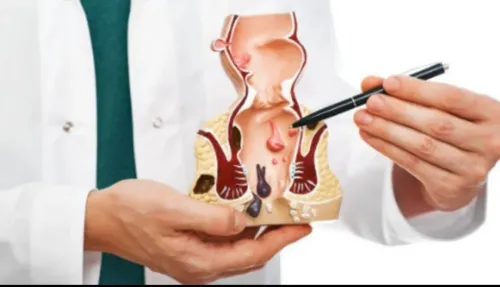

Piles, also known as hemorrhoids, are swollen blood vessels in the lower rectum or anus. They can develop due to factors such as constipation, prolonged straining during bowel movements, pregnancy, sedentary habits, or increased pressure in the lower rectal region. Although piles are common, symptoms can become uncomfortable and interfere with daily activities.
Typical symptoms include bleeding during bowel movements, itching, irritation, swelling, discomfort, or a lump around the anal region. Rectal bleeding should not automatically be assumed to be caused by piles because other medical conditions can produce similar symptoms. Therefore, proper evaluation is important.
A Laser Piles Doctor can assess the severity and type of hemorrhoids and determine whether lifestyle changes, medication, minimally invasive treatment, or surgery may be appropriate. Treatment is generally selected according to symptoms, the stage of piles, and the patient's overall health.
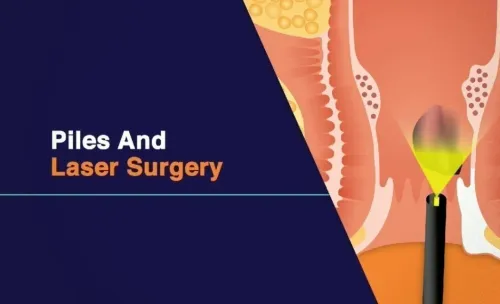
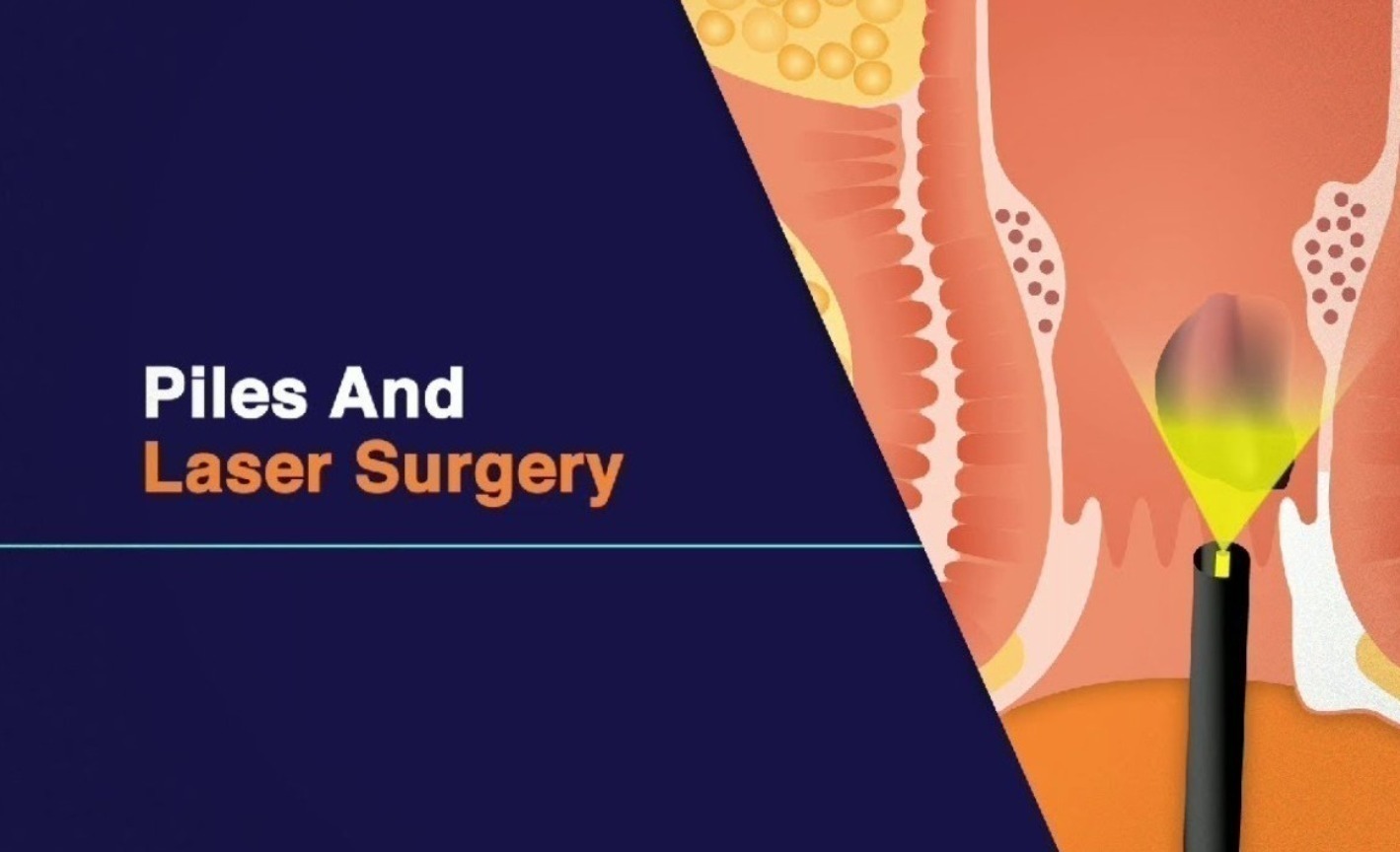
Laser-based techniques have become an option in the management of selected hemorrhoid cases. A Laser Piles Surgeon uses specialized laser technology to treat affected hemorrhoidal tissue with the aim of reducing symptoms while minimizing tissue trauma. The suitability of laser treatment depends on individual circumstances and should be determined following a clinical examination.
One of the reasons patients may consider minimally invasive piles procedures is the potential for reduced tissue disruption compared with some traditional surgical techniques. Depending on the procedure and individual recovery, patients may experience less postoperative discomfort and may return to routine activities relatively quickly.
However, laser treatment is not automatically appropriate for every piles patient. The severity of hemorrhoids, associated complications, previous treatments, and other health factors must be considered. A qualified surgeon can explain the advantages, limitations, alternatives, and expected recovery before treatment.
Lifestyle changes can also play an important role in preventing piles from worsening or recurring. Eating adequate dietary fiber, drinking sufficient fluids, avoiding unnecessary straining, staying physically active, and maintaining healthy bowel habits may help support digestive and bowel health.
Persistent bleeding, severe pain, or recurring symptoms should be medically evaluated rather than managed indefinitely with home remedies. Timely consultation can help identify the actual cause of symptoms and determine an appropriate treatment plan.
Dr. Nitin Pawar provides consultation for patients experiencing piles-related concerns and discusses suitable treatment options based on individual needs. Patients can ask questions about laser procedures, recovery, precautions, and alternative treatments during consultation.
If piles symptoms are affecting your comfort or quality of life, professional assessment can help you understand the condition and available treatment choices. Consult Dr. Nitin Pawar for personalized guidance and appropriate surgical evaluation.